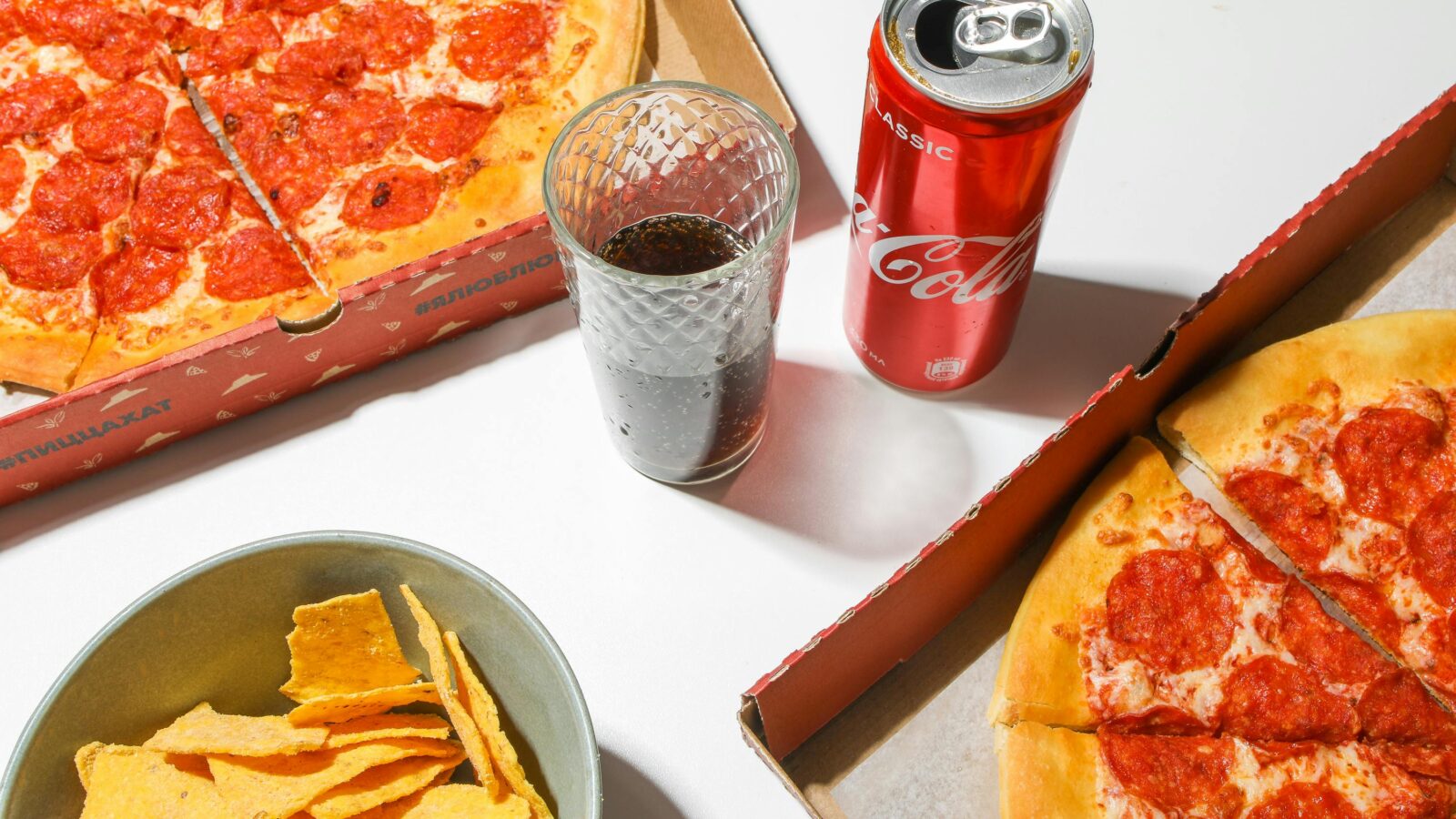
Modern life runs on convenience. Between busy schedules, long commutes, and shrinking free time, many people now rely on foods that are quick, cheap, and easy to access. Frozen dinners, packaged snacks, instant noodles, sugary cereals, fast-food meals, and soft drinks have become everyday staples rather than occasional treats.
At the same time, rates of obesity, type 2 diabetes, heart disease, and other chronic illnesses continue to rise worldwide.1 Researchers are increasingly asking an uncomfortable question: could ultra-processed foods be playing a significant role in chronic disease?
Growing nutrition research suggests the answer may be yes. While no single food causes disease on its own, diets dominated by ultra-processed products appear to be linked with poorer long-term health outcomes.
The Rise of Ultra-Processed Diets
A few generations ago, meals were more commonly prepared from simple ingredients at home. Today, food companies have mastered the art of creating products engineered for convenience, long shelf life, and maximum taste appeal.
Ultra-processed foods fit perfectly into fast-paced modern lifestyles. They save time, require little preparation, and are often cheaper and more accessible than healthier alternatives.2 As a result, many people now consume a large portion of their daily calories from industrially manufactured foods designed for frequent, convenient consumption.
Researchers have begun examining whether the health effects of these foods go beyond calories alone.
What Are Ultra-Processed Foods?
Not all food processing is harmful. Freezing vegetables, pasteurizing milk, or making bread are forms of processing that can improve safety and shelf life.
Ultra-processed foods, however, are different. According to the NOVA classification system, they are industrial formulations made mostly from substances extracted from foods or industrially manufactured ingredients.2 They often contain additives and ingredients rarely used in home cooking.
Not all ultra-processed foods have identical health effects, and researchers continue debating how much harm comes from processing itself versus overall nutrient composition and eating patterns.
These foods are designed to be highly palatable, convenient, and appealing to consumers. Common examples include soft drinks, packaged pastries, flavored chips, instant noodles, frozen pizzas, candy, fast food, and processed meats.
Even some foods marketed as healthy — such as protein bars or flavored yogurts — may still qualify as ultra-processed depending on their ingredients. While completely avoiding ultra-processed foods may not be realistic for everyone, small swaps can make a meaningful difference over time. The table below highlights a few common ultra-processed foods alongside simple, more nutritious alternatives.
| Ultra-Processed Food | Better Alternative |
| Sugary breakfast cereal | Oats with fruit |
| Soft drinks | Water or unsweetened tea |
| Instant noodles | Whole-grain noodles with vegetables |
| Potato chips | Nuts or popcorn |
| Frozen pizza | Homemade flatbread pizza |
| Flavored yogurt | Plain yogurt with fruit |
What Does the Research Say?
Research into ultra-processed foods has expanded rapidly in recent years. Studies have linked high consumption to increased risks of obesity, cardiovascular disease, hypertension, type 2 diabetes, certain cancers, and premature death.3
One influential study from the National Institutes of Health found that participants eating ultra-processed diets consumed more calories and gained more weight than those eating minimally processed diets, even when the diets were designed to contain similar amounts of calories, sugar, fat, fiber, and macronutrients.4
Other studies suggest people who consume the highest amounts of ultra-processed foods often have poorer diet quality, higher inflammation levels, and worse metabolic health markers.
Researchers still acknowledge that chronic disease develops through many interacting factors, including genetics, physical activity, stress, and environment. However, the consistency of findings has raised serious concerns about the long-term effects of heavily processed diets.

Why Are They Harmful?
The harm linked to ultra-processed foods appears to come from several overlapping factors.
Many are high in added sugars, refined carbohydrates, sodium, and unhealthy fats while being low in fiber, vitamins, and minerals. Diets built around these foods can easily lead to excess calorie intake without delivering adequate nutrition.
Ultra-processed foods are also designed to be highly rewarding. Their combination of salt, sugar, fat, and texture can encourage overeating and make it harder for the body to recognize fullness signals.
Some emerging research suggests certain additives may negatively affect gut health, although more research is needed.5 The gut microbiome plays an important role in metabolism, immune function, and inflammation, and disruptions in this system may contribute to chronic disease development.
Highly refined foods can lead to rapid increases and fluctuations in blood sugar levels, increasing metabolic stress over time and potentially contributing to insulin resistance and type 2 diabetes.6
The Role of the Food Environment
Food choices are heavily shaped by the environments people live in. Ultra-processed foods are aggressively marketed, widely available, and often cheaper than healthier alternatives. Supermarkets dedicate entire aisles to packaged snacks and convenience meals, while fast-food outlets operate around the clock.
For many busy individuals, convenience foods are not simply temptations — they are practical solutions to daily pressures.
Economic realities also matter. Fresh produce and minimally processed meals can be more expensive or less accessible in some communities. Cooking from scratch requires time, energy, and planning, all of which may be limited.
Understanding this context is important because sustainable dietary change requires more than willpower alone.
Practical Strategies to Reduce Intake
Reducing ultra-processed food intake does not require perfection. Small, realistic changes are often more sustainable than strict diets.
One simple strategy is to focus on adding more nutritious foods rather than obsessing over restriction. Including more fruits, vegetables, legumes, whole grains, eggs, nuts, and minimally processed proteins can naturally reduce reliance on heavily processed products.
Cooking more meals at home can also help, even if it only happens a few extra times each week. Reading ingredient labels is another useful habit, as heavily processed foods often contain long lists of unfamiliar additives.
For people with limited time, choosing “better convenience foods” may be more realistic than avoiding convenience entirely. Frozen vegetables, canned beans, plain yogurt, oats, and pre-cut fruit can provide nutrition without requiring extensive preparation.
Reducing sugary drink consumption is another highly effective step. Replacing even one sugary beverage per day with water or unsweetened alternatives can make a meaningful difference over time.7
Is Moderation Possible?
Healthy eating does not require complete avoidance of all processed foods. For most people, that standard is unrealistic and unnecessary.
Moderation is possible. A healthy dietary pattern can still include occasional fast food, packaged snacks, or desserts. The real concern arises when ultra-processed foods make up the majority of the diet that nutrient-dense foods become the exception rather than the foundation.
Healthy eating is not about perfection. It is about building sustainable habits that support long-term wellbeing while still allowing flexibility and enjoyment.
Conclusion
Ultra-processed foods have become deeply embedded in modern life because they solve real problems: they save time, reduce effort, and offer convenience. However, mounting nutrition research suggests that diets heavily reliant on these foods may contribute to chronic diseases including obesity, heart disease, and diabetes.8
The encouraging reality is that meaningful improvements do not require extreme dieting. Small changes — cooking one additional meal per week, replacing sugary drinks with water, or adding more whole foods to daily routines — can positively influence long-term health.
In a world built around convenience, even modest healthier choices can matter. Make one small healthier food choice this week. Your future self may thank you for it.
- World Health Organization. Noncommunicable Diseases Fact Sheet. WHO, 2024. https://www.who.int/news-room/fact-sheets/detail/noncommunicable-diseases
- Monteiro CA et al. “Ultra-processed foods: what they are and how to identify them.” Public Health Nutrition, 2019. https://www.cambridge.org/core/journals/public-health-nutrition/article/ultraprocessed-foods-what-they-are-and-how-to-identify-them
- Srour B et al. “Ultra-processed food intake and risk of cardiovascular disease.” BMJ, 2019. https://www.bmj.com/content/365/bmj.l1451
- Hall KD et al. “Ultra-Processed Diets Cause Excess Calorie Intake and Weight Gain.” Cell Metabolism, 2019. https://www.cell.com/cell-metabolism/fulltext/S1550-4131(19)30248-7
- Zinöcker MK and Lindseth IA. “The Western Diet–Microbiome-Host Interaction and Its Role in Metabolic Disease.” Nutrients, 2018. https://www.mdpi.com/2072-6643/10/3/365
- Ludwig DS. “The Glycemic Index: Physiological Mechanisms Relating to Obesity, Diabetes, and Cardiovascular Disease.” JAMA, 2002. https://jamanetwork.com/journals/jama/fullarticle/194214
- Food and Agriculture Organization of the United Nations. Ultra-Processed Foods, Diet Quality, and Health, 2023. https://www.fao.org/documents/card/en/c/cc8067en
- Malik VS et al. “Sugar-sweetened beverages and risk of metabolic syndrome and type 2 diabetes.” Diabetes Care, 2010. https://diabetesjournals.org/care/article/33/11/2477/24535
- Lane MM et al. “Ultra-processed food and chronic noncommunicable diseases.” Nutrients, 2021. https://www.mdpi.com/2072-6643/13/6/1955